Home / Tenant improvements
01 Path B · Tenants, landlords & brokers
Trades don't blow a tenant improvement. Plan review does. The package goes in short, comes back with comments, and three weeks evaporate before a single wall moves.
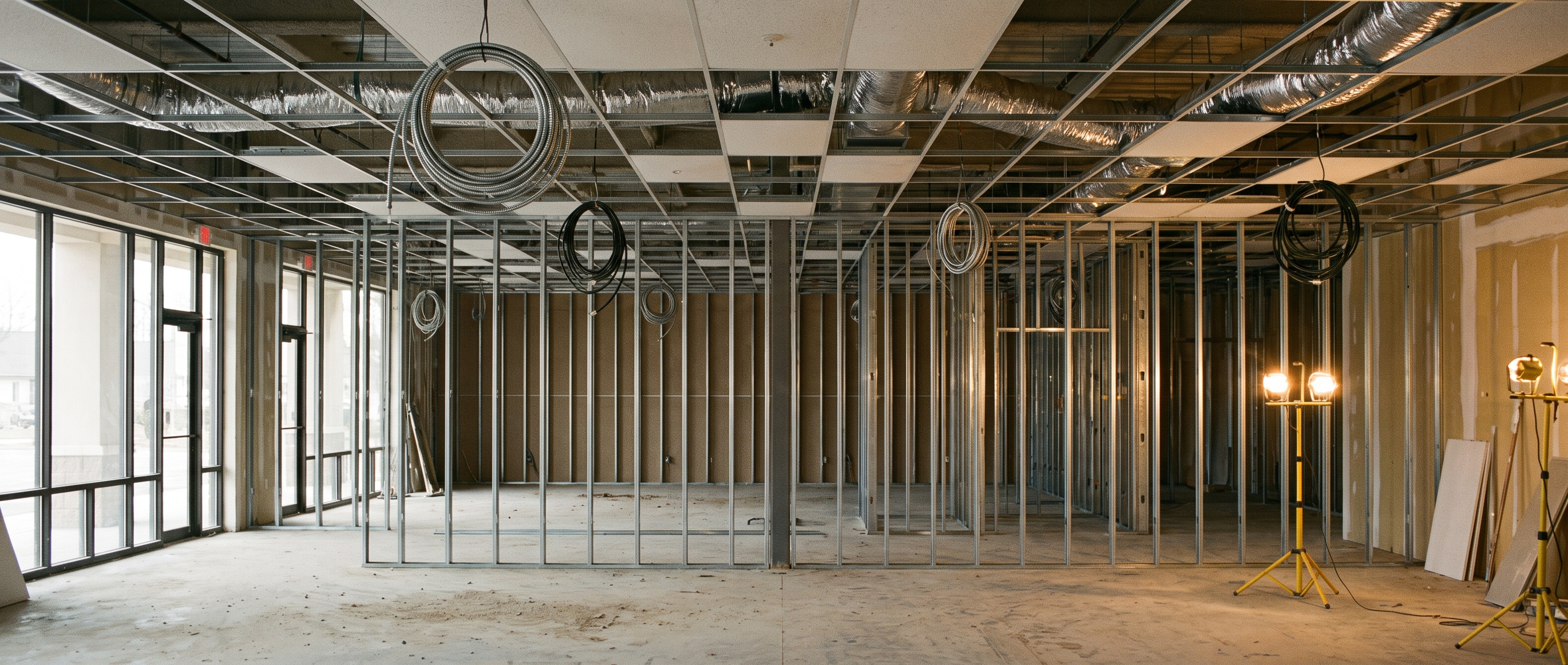 TI in progress
Rent is running. The space is dark.
TI in progress
Rent is running. The space is dark.
→ The short version
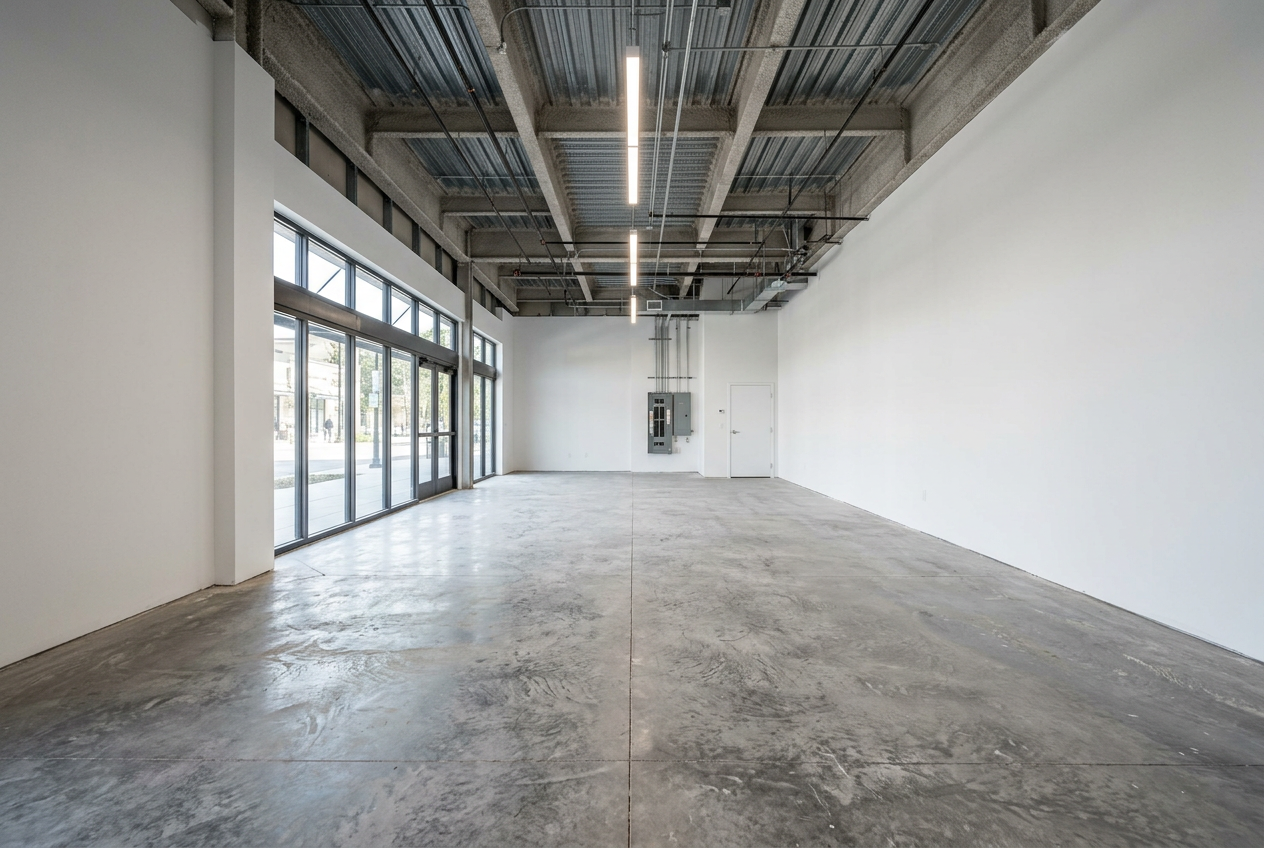
A tenant improvement is a permitting problem wearing a construction costume. The build itself is rarely what moves the date — plan review is. S&T produces the construction drawings, submits them, holds the building permit and answers the plans examiner, then sequences the trades against inspection availability rather than a wall calendar. We work from the lease forward: delivery condition, the landlord's work letter and the TI allowance all change what has to be drawn and who pays for it, and all three are knowable before anyone mobilizes. Weatherford, DFW, Waco and Houston. No long-term contracts — engage us for the permit package alone, the build alone, or the whole thing on one contract.
02 The argument that costs the most
Almost every tenant improvement dispute is the same dispute: an item nobody assigned. The split depends entirely on how the space is delivered — and the lease usually says, in a work letter most people skim. Switch the delivery condition and watch the line move.
Typical allocations only — your lease governs. Work letters vary widely, and a single sentence in one can move any line above. We read the work letter before we price anything, and we tell you which items are genuinely ambiguous so they can be settled in writing rather than in the field.
03 What actually holds a TI up
A package submitted short comes back with comments. Each round is dead time you cannot compress, and it is the single largest variable in a TI schedule.
Change the use or the occupant load and you change exit width, restroom count and accessibility. It is the quiet trigger that turns a cosmetic refit into a permitted alteration.
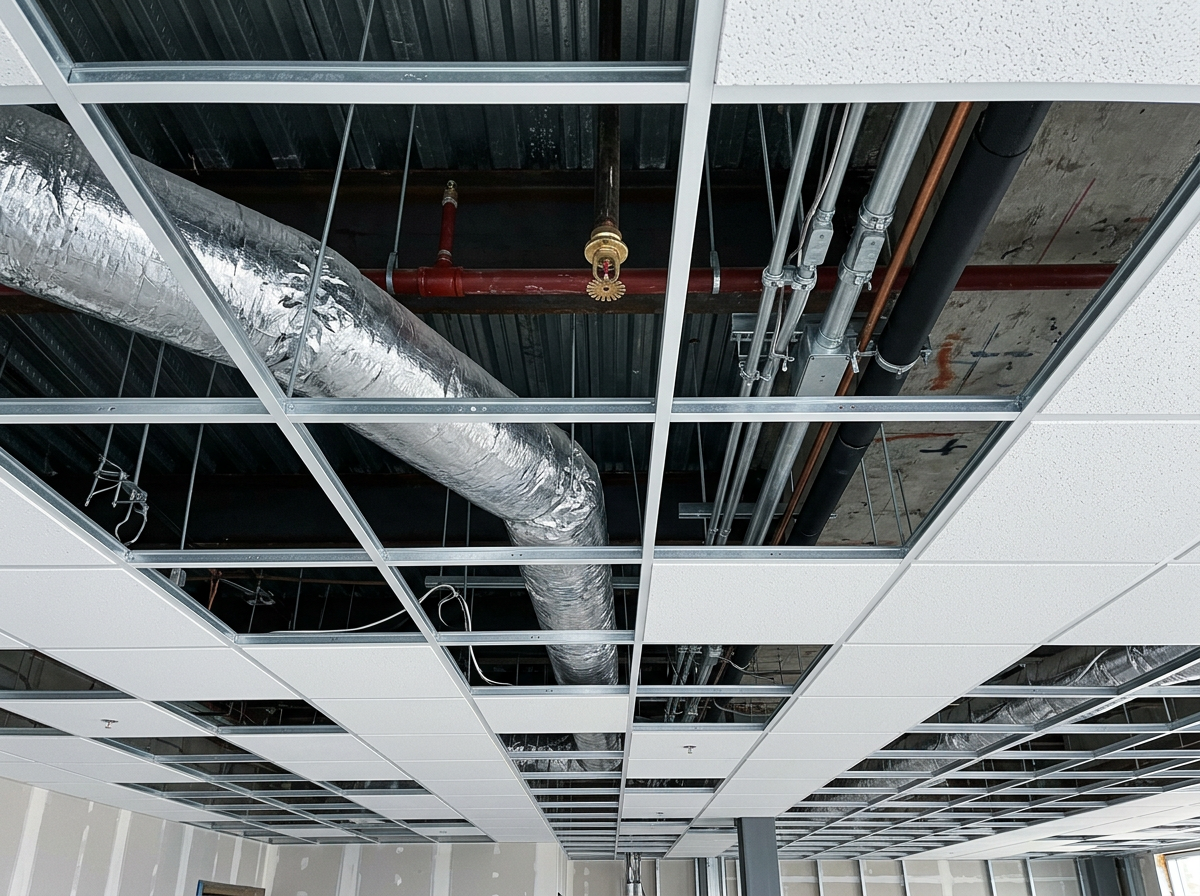
Move a wall and the sprinkler heads and the grid follow. That is a separate fire submittal on a separate calendar, and it is routinely discovered late.
The fourth is the one nobody plans for: landlord approval of the drawings. Most leases require it, most work letters give the landlord a review window, and that window runs before the city ever sees the set. We build it into the schedule instead of finding it.
04 Scope
You can buy the permit package alone, the build alone, or the whole path on one contract. Most tenants take the whole path; most landlords take the first two rows.
| No. | Scope | What happens | Delivery |
|---|---|---|---|
| 01 | Lease & shell review | Read the work letter and delivery condition, walk the space, confirm what the existing service, structure and sprinkler layout can carry. This is where the deal-breakers live | S&T |
| 02 | Drawings | Partition plan, reflected ceiling, power and data, finish schedule, life-safety and egress, accessibility. Within the Texas exemption for smaller commercial buildings — a registered architect is brought in where the size or the exitway work requires one | S&T |
| 03 | Landlord approval | The set goes to the landlord before it goes to the city. We manage that review window and the comments that come out of it | S&T |
| 04 | Submittal & permit | Building submittal, fire submittal where sprinkler or alarm work is triggered, jurisdiction coordination. We hold the building permit and answer the plans examiner | S&T |
| 05 | Build | Demolition, framing, mechanical, electrical, plumbing, ceiling, flooring, finishes, millwork. Every regulated trade performed by an independently licensed contractor under our coordination | S&T + trades |
| 06 | Inspections & CO | Rough-ins, framing, fire final, building final, Certificate of Occupancy — and the closeout package your landlord's lease almost certainly requires | S&T |
05 For landlords
A tenant's problem is their opening date. Yours is different: a TI allowance committed against a space that isn't producing rent, and a build you are funding but not managing.
We work the landlord side the same way — shell upgrades, demising, white-box and vanilla-shell packages, base-building corrections found during a tenant's plan review, and the permit work that makes a suite leasable before a tenant is even signed.
Allowance drawdown is documented against the scope split above, so the line between base building and tenant work is settled on paper before it is argued in the field.
06 For brokers
A broker never signs our contract. You decide whether our name comes up when your tenant asks who does build-outs — and whether the answer makes you look good three months later.
So we keep one page for you: typical TI timelines by delivery condition, what we need out of a lease to start, and the questions worth asking a landlord before the work letter is final. Forward it as-is. No form, no gate, no follow-up sequence, and your name stays on it.

07 Questions we get before anyone signs anything
The build is the predictable part. What varies is the delivery condition and the review calendar. A second-generation space where you are reusing the existing layout, ceiling and sprinkler configuration moves fastest. A cold dark shell is slowest, because the base-building systems have to be extended before tenant work starts. Between those, the biggest single variable is how many comment cycles the plan review takes — and that is driven by how complete the package was on day one. Send us the address, the lease and the delivery condition and we will give you a real sequence instead of a range.
Almost certainly, and the trigger is usually not the wall. Moving partitions changes egress paths, sprinkler head coverage and ceiling layout, and any of those pulls the work into a permitted alteration. Changing the use of the space — or the occupant load — pulls in restroom counts and accessibility as well. The cheap version of this question is asking before demolition; the expensive version is asking after a red tag.
Five things: the delivery condition, the landlord's work letter, the TI allowance and how it draws down, the permitted use, and the commencement date — specifically what triggers rent. Those five determine what has to be drawn, who pays for which line of the scope splitter above, and how much float you actually have. If the lease isn't signed yet, that is the best possible time for us to read it.
Yes, and it is common. Some landlords require their own contractor for base-building work, and plenty of tenants arrive with an architect already engaged. We will do the permit package and the coordination around them, or hand the drawings to them and build. What we will not do is carry a schedule we do not control the submittal for — if someone else is holding the permit, they are holding the date, and we will say so plainly rather than pretend otherwise.
We do, for the building permit, on the projects we carry end to end. That is the point of the arrangement — the party answering the plans examiner is the party accountable for the date. Mechanical, electrical and plumbing permits are pulled and held by the licensed trade contractors of record, which is how Texas requires it, and they sit on our inspection schedule.
No. Permit package alone, build alone, or the whole path on one contract.
08 Start
We will tell you what the work letter actually commits you to, and what it does to your open date — before you owe us anything.
Bring these
Address and suite
Lease or LOI with the work letter
Delivery condition and TI allowance
Target occupancy date
Where we work
Weatherford · DFW · Waco · Houston
— and everywhere in between